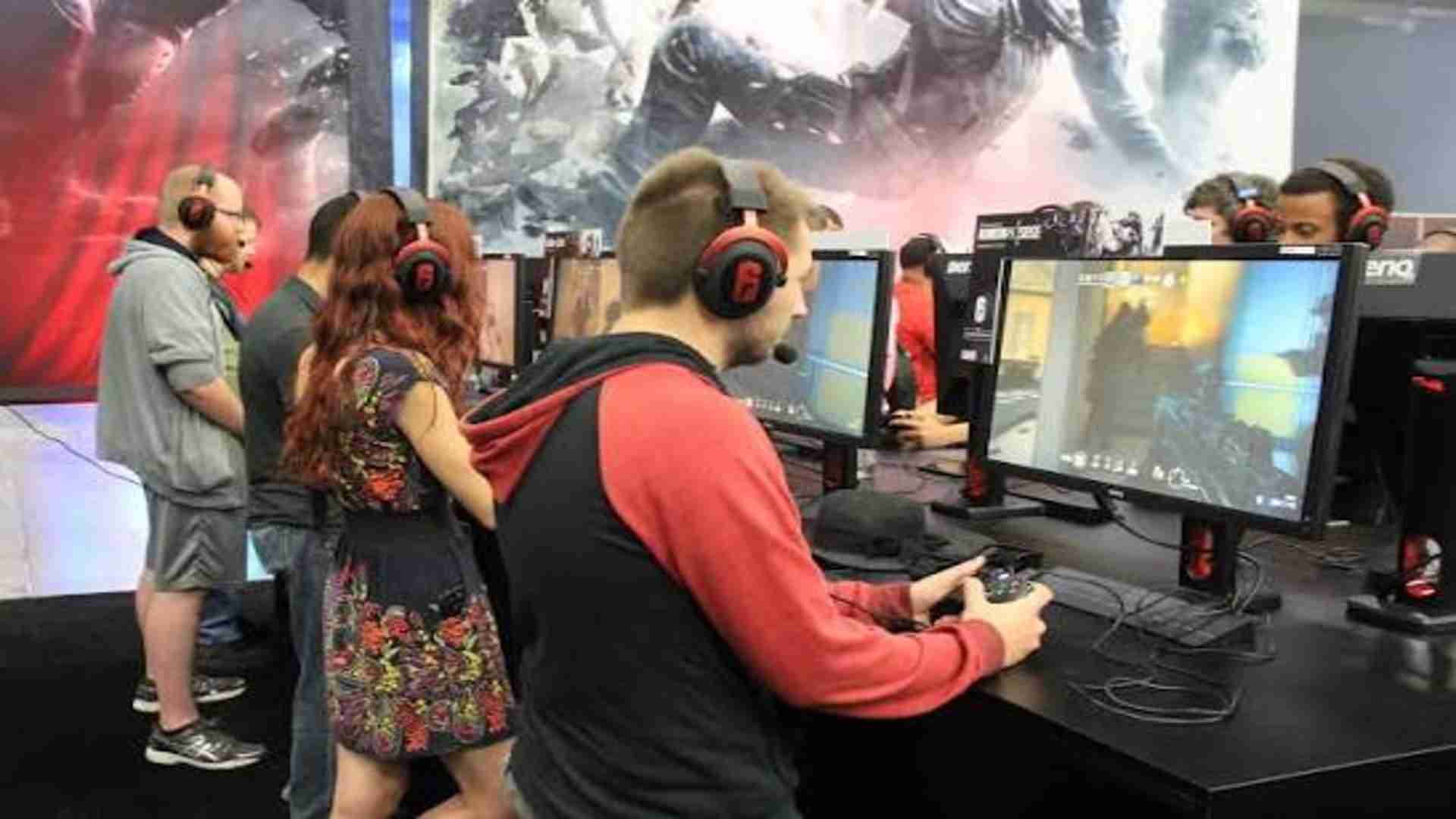
The digital gaming landscape is rapidly shifting from solitary experiences toward collaborative environments where collective effort leads to shared success. Modern reward gaming platforms are increasingly integrating community challenges to foster a sense of belonging and drive long-term user engagement. These initiatives transform the traditional reward model into a social journey that prioritizes cooperation over individual competition.
The Social Mechanics of Shared Gaming Objectives
Community challenges function by aggregating the efforts of thousands of players toward a single, massive goal within a specific timeframe. These tasks often include reaching a cumulative high score, defeating a global boss, or unlocking a certain number of in-game milestones. This shared responsibility creates a powerful psychological bond among participants who feel their small contribution matters to the group.
When a community successfully meets its target, every qualifying member typically receives a portion of a larger prize pool. This democratic distribution of rewards ensures that casual players feel as valued as the more dedicated power users within the ecosystem. By focusing on mutual benefits, platforms can significantly reduce the toxicity often found in purely competitive gaming environments.
Developers use these challenges to introduce new content and test community preferences in a low-stakes, highly engaging way. Watching a live progress bar move in real-time adds a layer of excitement that traditional solo missions simply cannot replicate for modern audiences. It encourages players to communicate via forums and chat rooms to coordinate strategies and maximize their collective efficiency.
How Collaborative Rewards Improve Player Retention
Retention is the lifeblood of any digital service, and community-driven events are among the most effective tools for maintaining a steady user base. Players are far less likely to abandon a platform when they feel a sense of duty toward their digital peers and shared objectives. The anticipation of upcoming community events creates a natural rhythm that keeps the gameplay experience fresh and exciting.
Integrating these features requires a robust technical infrastructure that can track and update data for millions of users simultaneously. Leading platforms like msports have set high standards for how social features and transparent reward systems can coexist seamlessly. These sites prioritize user experience by ensuring that every community milestone reached is verified and rewarded without delay.
Furthermore, the social proof generated by these challenges serves as a powerful marketing tool for attracting new enthusiasts. Seeing a thriving community work together to unlock exclusive digital assets or physical prizes builds immediate trust and credibility. It signals that the platform is active, well-moderated, and invested in the collective happiness of its entire audience.
Balancing Difficulty and Engagement in Global Tasks
Finding the right balance for community milestones is a delicate art that requires careful analysis of player data and behavioral trends. If a challenge is too easy, the rewards feel unearned and the sense of accomplishment is greatly diminished for the participants. Conversely, if the requirements are impossibly high, the community may feel discouraged and stop participating entirely before the deadline.
Successful platforms often utilize dynamic scaling to adjust difficulty levels based on the current number of active participants in a challenge. This ensures that the objective remains challenging yet attainable regardless of seasonal fluctuations in the total player count. Transparency regarding the rules and the progress of the event is essential for maintaining a high level of community trust.
Incentivizing diverse playstyles within a single challenge is another effective way to keep the broader community engaged and motivated. For instance, some tasks might reward offensive strategy while others focus on resource management or support roles within the group. This inclusivity ensures that every type of gamer has a clear path to contributing to the community success.
The Future of Decentralized Community Rewards
As technology continues to advance, we are likely to see even more sophisticated versions of community challenges integrated into the metaverse. Emerging systems could allow for cross-platform community goals where players on mobile and PC work together to influence a shared digital world. This level of interconnectedness will redefine what it means to be a part of a gaming community in the future.
The integration of verifiable reward histories will provide greater clarity and fairness for everyone involved in these large-scale digital events. Players will have a permanent record of their contributions to major community victories, further enhancing their social status within the platform. These innovations will continue to bridge the gap between casual entertainment and meaningful social participation.
Ultimately, the move toward community-centric rewards reflects a broader societal shift toward valuing collaboration and shared digital experiences. Platforms that can successfully harness the power of their collective audience will lead the next generation of interactive entertainment. By turning every game into a community mission, developers are building more sustainable and positive digital ecosystems.