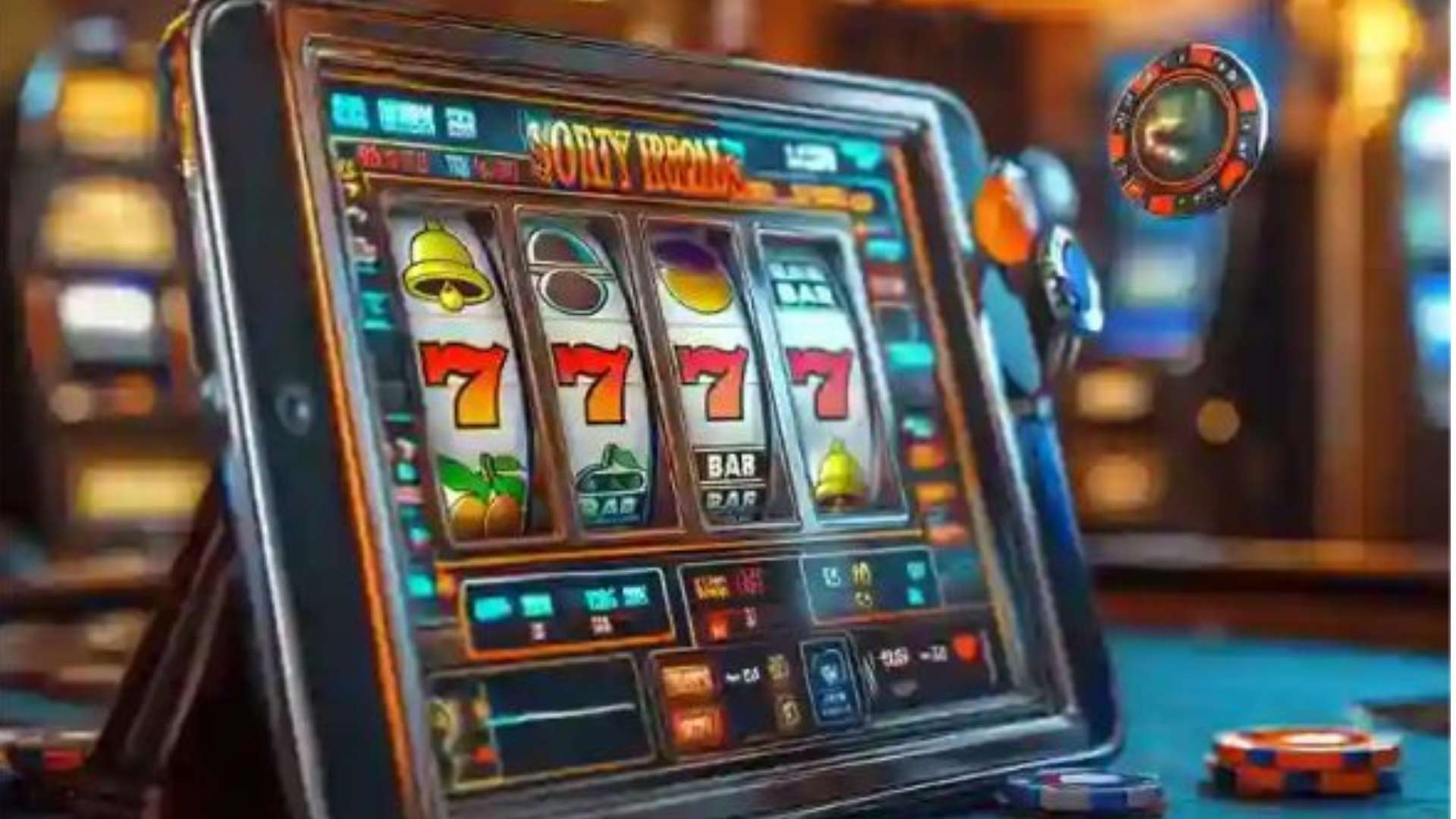
The integration of unpredictable elements into modern game design serves as a powerful mechanism for sustaining user interest over extended durations. Rather than relying solely on fixed benchmarks, contemporary platforms utilize variable outcome matrices to create a continuous sense of exploration. This psychological framework transforms standard interaction loops into engaging journeys driven by genuine human curiosity.
The Psychological Mechanism of Variable Rewards
Human cognition naturally seeks to identify patterns and predict future events within an interactive environment. When a game offers completely predictable outcomes, the initial excitement rapidly diminishes as the core loop becomes routine. By introducing an element of controlled randomness, developers stimulate an ongoing loop of anticipation that keeps the participant mentally active.
This method leverages variable ratio reinforcement, a concept well-documented in behavioral science for generating highly persistent engagement habits. Each unknown outcome triggers a natural desire to discover what happens next, shifting the focus from simple task completion to experiential discovery. As a result, users remain fundamentally curious about the possibilities waiting in subsequent rounds.
Designing Balanced Curiosity Ecosystems
Successful random prize integration relies heavily on achieving a precise balance between structural transparency and unexpected results. If the potential rewards feel entirely unattainable or completely hidden, players often experience early fatigue and detachment. Clear visual indicators detailing the possible prize tiers help ground the experience, ensuring the progression feels universally fair.
To experience these structured systems firsthand, users frequently seek out platform portals like m88 đăng nhập to observe how modern gaming mechanics balance immediate feedback with long-term retention goals. These systems carefully layer diverse prize distribution values so that minor wins provide consistent validation while major tier surprises remain rare. This structural parity prevents frustration while maintaining an optimal environment for sustained interactive exploration.
Sensory Stimuli and Real Time Feedback
The visual and auditory presentation of a reward system significantly amplifies the internal cognitive experience of surprise. Flashing light indicators, custom sound frequencies, and dynamic motion graphics during a reveal event act as vital sensory feedback mechanisms. These elements intentionally heighten emotional investment during the precise micro-moments leading up to the final outcome display.
Furthermore, digital software adjustments allow for real-time personalization, altering presentation metrics to better match individual interaction profiles. When sensory triggers match structural variety, the simple act of revealing a random asset becomes a highly satisfying event in itself. This deliberate design focus ensures that even casual gaming applications remain memorable and uniquely entertaining.
The Future of Dynamic Engagement Models
As interactive media formats transition toward more immersive digital environments, the architecture of random prize generation will continue to mature alongside emerging artificial intelligence capabilities. Automated systems can analyze operational data to adapt item distributions responsibly, ensuring that engagement loops remain balanced and supportive. This ensures that user curiosity is nurtured through authentic discovery mechanics rather than manipulative structural constraints.
Ultimately, the timeless appeal of random outcomes resides in their unique ability to mimic natural real-world discovery within a secure digital landscape. By prioritizing structural clarity, variable reinforcement schedules, and premium sensory aesthetics, contemporary designers ensure that game environments remain refreshing. Maintaining this balance preserves the core integrity of casual entertainment for evolving global demographics.